

Perhaps that is where every film begins: not with a story already written, but with a willingness to enter into relationship, to remain curious about what we do not yet understand, and to discover what becomes possible when we learn to see the world, and our place within it, together.
M y work, in all its forms, centers on our relationship with the natural world and the instinctive connections that live within us, even as they become increasingly overshadowed by the pace, demands, and technologies of modern life. I am drawn to the quiet threads that bind us to one another and to the places we inhabit: the landscapes that shape our identities, the stories held within a place, the knowledge carried across generations, and the more-than-human lives with which we share this world. Through film, I seek to bring these relationships into focus, creating space for us to recognize what connects us, what we have forgotten, and what we might yet rediscover.
M y approach to filmmaking begins with curiosity rather than certainty. I rarely enter a project with a fully formed narrative or a predetermined outcome. Instead, I begin by listening, observing, spending time with a place and its people, and allowing myself to be shaped by what I encounter. I believe some of the most meaningful stories emerge when we resist the urge to define them too quickly, when we leave room for unexpected encounters, unanticipated connections, and the subtle moments that might otherwise go unnoticed.
For me, filmmaking is an inherently collaborative process. The people who share their lives, knowledge, experiences, and relationships with me are not simply subjects within a story; they are active participants in its unfolding. Their perspectives, memories, questions, and ways of seeing the world inform the direction a film takes. I want to create an environment in which people feel a sense of trust, openness, and ownership over the stories we explore together, one in which they are invited to contribute not only their experiences, but also their understanding of what those experiences mean.
This requires a willingness to listen deeply and to remain open to being changed by the process. It means recognizing that the story I imagine at the outset may not be the story that ultimately needs to be told. A conversation may reveal an unexpected history. A relationship may deepen over time. A landscape may offer something that cannot be anticipated or scripted. I want to follow these discoveries with care, allowing the work to develop organically and honoring the complexity of the lives, places, and relationships that make each story possible.
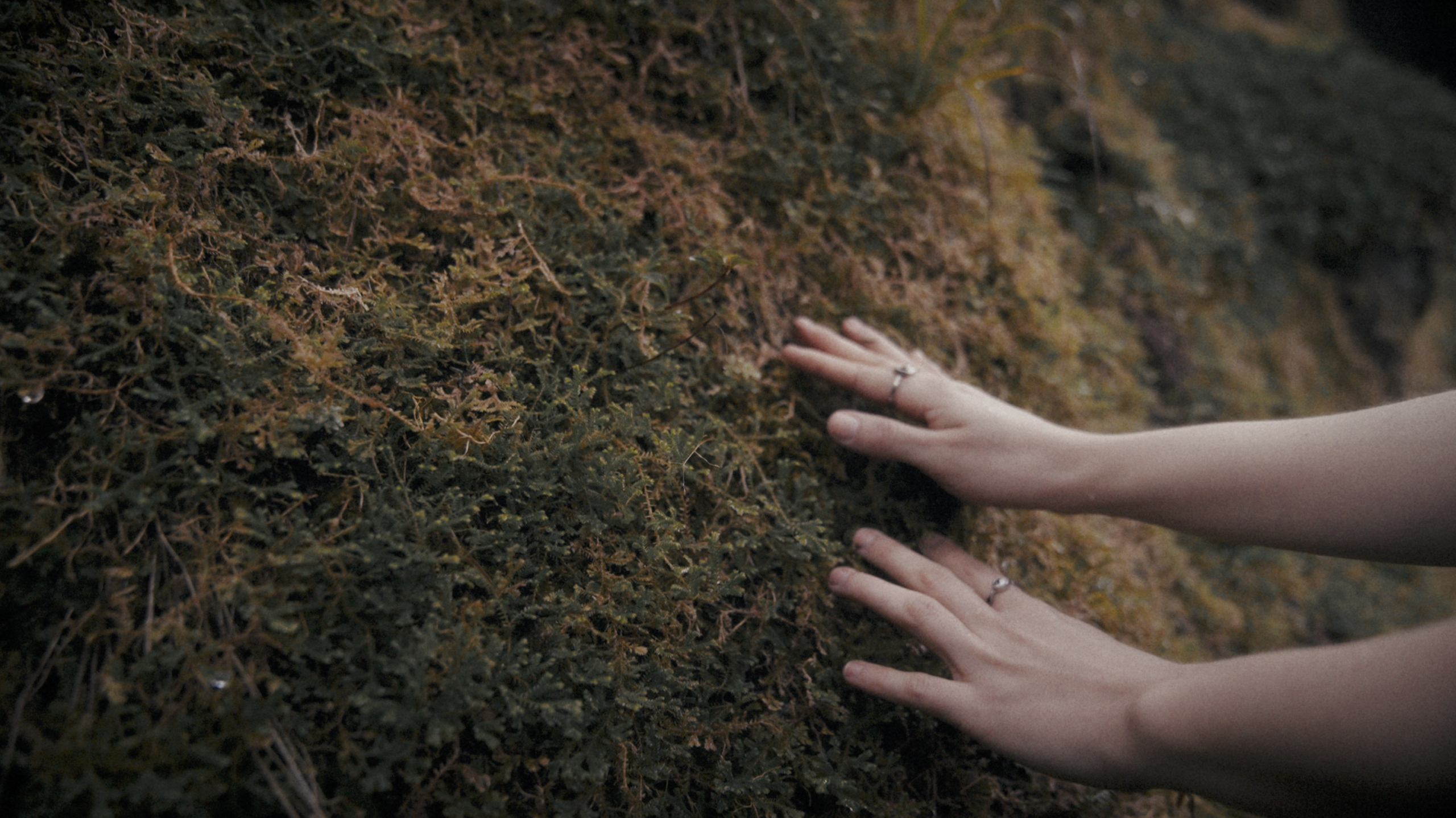
This philosophy extends beyond our relationships with one another to the wider living world we inhabit. I am interested in how we might use film to deepen our understanding of our more-than-human kin: the plants, animals, waterways, forests, and ecological communities whose lives are inseparable from our own, yet whose experiences and needs are so often overlooked in the stories we tell about the world.
T hese beings have their own ways of communicating, their own rhythms and histories, and their own place within the living systems that sustain us all. Their stories are unfolding whether or not we are paying attention. As a filmmaker, I feel drawn to the challenge of finding ways to make these lives more visible and their significance more deeply understood. I do not believe this means speaking for the natural world as though we can fully know or interpret its experience. Rather, it means learning to listen differently, to pay attention to what science, observation, Indigenous knowledge, lived experience, and the rhythms of a place can teach us, while remaining humble about what we cannot know. It means approaching the more-than-human world not simply as a subject to document, but as a community of life with which we are in relationship.
The challenge, and the opportunity, is to find the narrative together: to discover how the lives of other beings intersect with our own, how their well-being is bound to ours, and how their stories might help us see familiar places and relationships in new ways. Through imagery, sound, human experience, and the unfolding of a story, film can create a bridge between worlds we have come to perceive as separate. It can help translate ecological complexity into something felt and understood, fostering not only awareness, but empathy, kinship, and a deeper sense of responsibility.
My experiences so far have continued to shape and refine this understanding of what filmmaking can be. I have learned that the process itself matters as much as the finished work: the relationships built along the way, the space made for different voices, and the willingness to let a story change as understanding deepens. Sometimes the most meaningful measure of a film is not simply what it communicates, but whether the people and places it encounters feel genuinely honored by its telling, and whether it opens a door for others to see, feel, or understand something they might not have otherwise.
I am especially moved by the possibility that a film might allow people to recognize something of themselves in a story that initially feels distant from their own lives. A particular landscape, a community’s experience, or the life of a seemingly small or overlooked species can become a point of connection, revealing relationships that extend far beyond what we first imagined. When this happens, a story becomes more than a record of an experience. It becomes an invitation to reconsider our place in the world and our relationships with the lives that surround us.
Ultimately, I see my role as a filmmaker not as someone who arrives with all the answers, but as a listener, collaborator, and witness, a conduit through which the relationships between people, place, and the living world might become more visible. I seek to create the conditions for stories to emerge honestly, to honor the perspectives and experiences entrusted to me, and to remain receptive to the unexpected discoveries that arise when we make room for others to shape the narrative alongside us.
For me, filmmaking is an act of connection and a practice of paying attention. It is about listening for what has been overlooked, making space for voices and forms of knowledge that might otherwise go unheard, and finding ways to bring seemingly disparate lives into a shared story. My hope is to create films that invite us to look more closely, listen more deeply, and remember that we are not separate from the world we seek to understand. We are part of its unfolding, bound to one another and to the wider community of life in ways we are only beginning to comprehend.
Perhaps that is where every film begins: not with a story already written, but with a willingness to enter into relationship, to remain curious about what we do not yet understand, and to discover what becomes possible when we learn to see the world, and our place within it, together.
~ Sarah Bachinger
